Fast Orlando Locksmith Service Team
Local locksmith team
Aug 17, 2026 12 min read
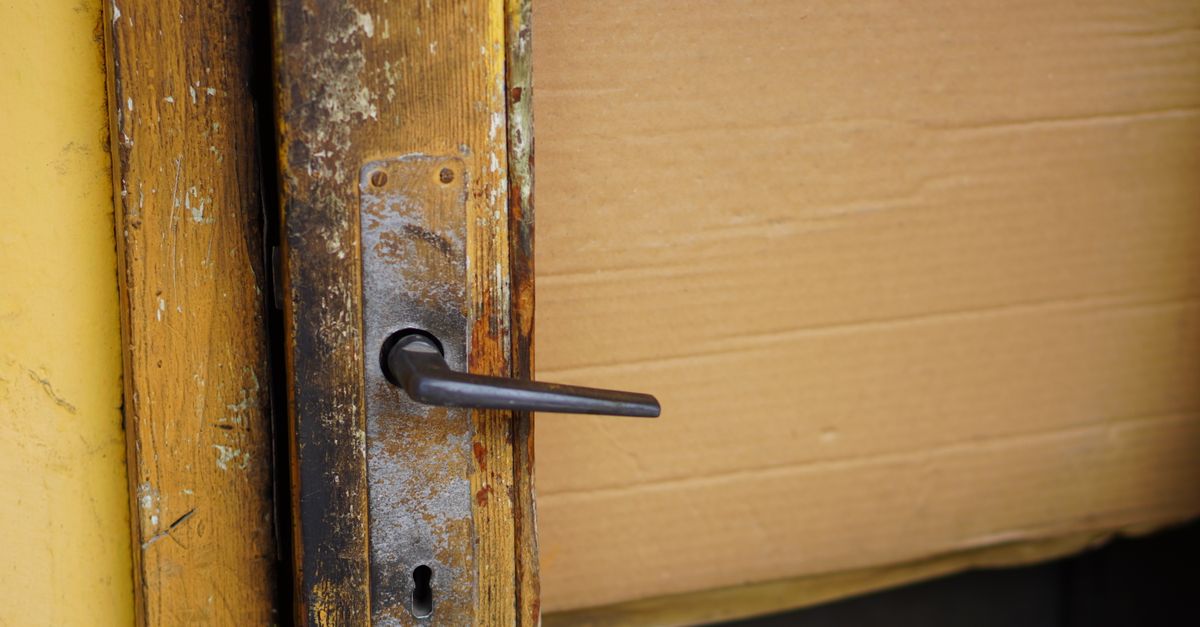
If you own a home in Lockhart, Florida — especially one built between the 1940s and the early 1970s along corridors like Lockhart Road or near the old Lockhart School — there is a good chance your front door still operates with a mortise lock. That chunky rectangular pocket cut into the edge of the door, the long brass faceplate, the separate spindle for the knob and the deadbolt all moving as one integrated unit: that is mortise hardware, and it was the residential and commercial standard across Central Florida for decades. Homeowners sometimes assume these locks are outdated problems waiting to happen. In reality, they are robust, repairable mechanisms that — with the right maintenance and professional attention — can outlast most modern cylindrical replacements by a generation.
This article explains why mortise locks became so common in mid-century Lockhart homes, what the terminology actually means so you can talk to a locksmith without guessing, and how to keep your existing hardware working reliably for years to come. Whether you are troubleshooting a sticky latch, wondering whether to restore or replace, or you have just moved into an older property on Maitland Boulevard and discovered a lock style you have never seen before, this guide is written for you.
## Why Lockhart's Mid-Century Homes Were Built Around the Mortise Lock
Lockhart, Florida grew rapidly in the post-World War II era, fueled by returning veterans, the expansion of citrus and agricultural operations nearby, and the gradual suburban push out of Orlando along what is now SR-434 and Orange Blossom Trail. Builders in that period — roughly 1945 through the mid-1960s — used construction methods and hardware standards that were imported directly from pre-war practice. At the time, the mortise lock was simply the professional-grade default. It was what commercial locksmiths specified, what lumber yards stocked, and what skilled carpenters were trained to install. The lock body itself sits inside a deep rectangular pocket (the mortise) routed into the door stile, meaning the entire locking mechanism — latch bolt, deadbolt, and strike — is contained within the door rather than surface-mounted. That integration gave mid-century doors enormous structural rigidity at the lock point.
When builders transitioned to cheaper, faster construction in the late 1960s and 1970s, pre-bored cylindrical locks from manufacturers like Schlage and Kwikset became dominant because they required no mortising and could be installed in minutes. Older Lockhart homes, however, were already built around mortise prep work — the pocket was already there, the door thickness was chosen for it, and the surrounding wood was often old-growth pine or cypress that was not going to rot away. Replacing a mortise lock with a cylindrical unit in these homes often means patching a large void and weakening the door edge, which is why so many of those original locks are still in place today, quietly doing their job.
## Mortise Lock Terminology: What the Parts Are Actually Called
One reason homeowners feel lost talking to a locksmith about mortise hardware is the terminology. The lock body is the cast-iron or brass cartridge that drops into the mortised pocket. Inside it you will find the latch bolt — the spring-loaded angled piece that retracts when you turn the knob — and the deadbolt, the square-ended bolt you throw manually with the thumb turn or a key. The rose is the decorative disc that covers the hole where the knob spindle passes through the door face. The escutcheon (sometimes called the trim plate) is the longer cover plate on the face of the door that surrounds both the knob and the keyhole. The cylinder is the actual plug that your key enters; on older Lockhart homes this is often a rim cylinder or a mortise cylinder, which is a distinct format from the Kwikset or Schlage cylinders used in modern door knob locks.
Understanding these terms matters practically. When a locksmith from our team arrives at your door, being able to say 'the latch bolt is not retracting fully' or 'the deadbolt throw feels spongy' lets us diagnose the problem faster and give you an accurate up-front price before any work begins. The factors that shape that price include the specific lock body brand and age, whether replacement parts are needed or whether adjustment and lubrication will resolve the issue, the time of day you call, and how far our mobile unit is traveling to reach you. We never start work until you have confirmed the exact quote.
## Locksmith Specialisations and Mortise Hardware: Not Every Tech Is Trained the Same Way
The locksmith trade covers a wide range of specialisations, and mortise lock work sits in a specific corner of that world. Automotive locksmiths focus on transponder programming, car key cutting, and vehicle lockouts — skills that have almost nothing in common with door hardware. Commercial locksmiths work on high-security master-key systems, access control panels, and exit devices. Residential locksmiths handle the door hardware most homeowners encounter daily, but even within that category, a tech who spends most of their time installing modern cylindrical hardware may not be deeply familiar with mortise lock internals, the correct lubricants for a century-old brass cylinder, or how to source a replacement mortise body for a Corbin or Yale mechanism from the 1950s. At Fast Orlando Locksmith, our team is experienced with the full spectrum — from a 3 a.m. car lockout on I-4 to diagnosing a failing mortise lock case on a 1958 bungalow near the Lockhart community park.
This breadth matters when you call for an emergency locksmith visit to an older home. A tech who recognizes a mortise lock on sight, knows that the cylinder can often be re-keyed without replacing the entire body, and understands how the internal lever pack differs from a modern pin tumbler system will save you time and money. Specialisation in mortise hardware is genuinely a differentiator in this trade — it requires hands-on experience, knowledge of discontinued parts, and comfort with mechanisms that do not come with YouTube tutorials. If your older Lockhart home has mortise hardware and you are locked out or dealing with a failing lock, call us at (407) 759-3732 and ask specifically about our experience with mortise lock service — we are available around the clock.
## How Mortise Lock Regulation and Standards Differ: United States vs. United Kingdom Context
In the United States, locksmith regulation varies dramatically by state — and Florida is one of the states that does not currently mandate a statewide license for individual locksmiths, though some counties and municipalities have their own registration requirements. This matters for homeowners because it means the burden of verifying a technician's competence falls partly on you. Look for a business that is insured, carries identifiable marked vehicles, and is willing to provide an itemized quote before work begins. In the United Kingdom, by contrast, the locksmith industry operates under a different framework: trade bodies like the Master Locksmiths Association (MLA) offer voluntary accreditation, and many insurers and landlords require MLA-vetted technicians. British mortise locks are also governed by specific British Standards (BS 3621 being the most recognized for deadlocks), which define minimum bolt throw, anti-drill, and pick resistance requirements for insurance compliance.
Why does this matter to a Lockhart homeowner? Because older American mortise locks — the ones sitting in your 1955 door — were built to the hardware standards of their era, which prioritized durability and repairability over modern security ratings. They are not necessarily insecure, but they were not tested against contemporary attack methods either. A qualified locksmith can assess your existing mortise lock against current security expectations, recommend cylinder upgrades (such as installing a high-security mortise cylinder from a manufacturer like Medeco or Mul-T-Lock into your existing case), and advise on whether the overall door frame and strike plate provide adequate resistance without requiring you to gut hardware that is otherwise working well.
## Practical Maintenance: Keeping Your Mortise Lock Working in Central Florida's Climate
Central Florida's humidity is the primary enemy of mortise lock hardware. Brass and cast-iron components inside an older lock case can corrode, and wooden door stiles expand and contract with seasonal moisture changes — which is why a mortise lock that works perfectly in January may bind in August. The single most effective maintenance step you can take is lubrication with a dry lubricant or Teflon-based spray rather than WD-40. WD-40 is a water displacer, not a long-term lubricant, and it attracts dust that can gum up a mortise cylinder's internal pins over time. Apply dry lubricant to the latch bolt, the deadbolt, the keyway, and the pivot points of the lever or knob at least once a year. On Lockhart homes near the Seminole County line where afternoon thunderstorms drive moisture into older door frames, doing this twice a year is worth the five minutes it takes.
Beyond lubrication, check the strike plate alignment every year. If the door has settled — common in homes with pier-and-beam foundations — the latch bolt may no longer meet the strike cleanly, forcing you to lift or lean on the door to lock it. A locksmith can adjust the strike plate mortise in the frame or reposition the strike without replacing the lock. Also inspect the spindle connection between your exterior knob and the lock body; on older mechanisms this is often a square-bar spindle held by a set screw, and a loose set screw is a common cause of a knob that turns without retracting the latch. Tightening it takes thirty seconds and avoids a lockout scenario entirely. If you are unsure whether what you are seeing is normal wear or a sign of internal mechanism failure, our team is happy to do an assessment — call (407) 759-3732 any time, day or night.
## Lockhart Local Context: A Note on the Area's History and What It Means for Your Hardware
Lockhart, Florida — a census-designated place in Orange County just north of Orlando — has a quiet but genuine history that shapes the housing stock you find here today. The community is named after the Lockhart family, early settlers in the region, and the area grew steadily through the mid-twentieth century as a working-class and middle-class residential community distinct from the resort-driven development that would later define so much of Central Florida. Homes built along Keene Road, Rock Springs Road, and the streets radiating from the old Lockhart School reflect that era: solid construction, deep porches, doors sized for hardware that required skill to install. Many of those doors are still hanging in their original frames.
A question that occasionally surfaces in searches related to this area is 'Who is Emily Lockhart?' or 'Are there any famous people from Lockhart?' — and while the community name is a geographic and family reference rather than a reference to any celebrity, the author known as E. Lockhart (whose real name is Emily Jenkins) is sometimes connected in search results to the Lockhart name. She is a Young Adult fiction author, not a Floridian landmark, and the town's own identity is grounded in its Central Florida agricultural and residential history. Similarly, 'What is Lockhart, Florida known for?' is a fair question: it is known as a stable, older residential community with genuine neighborhood character — which, for our purposes as a locksmith serving the area, means a meaningful concentration of mid-century homes with original mortise lock hardware that deserves skilled, knowledgeable service rather than a one-size-fits-all cylindrical replacement approach.
Frequently asked questions
How much does an emergency locksmith cost near me in Lockhart, FL?+
There is no single flat rate for emergency locksmith service because several variables shape the final number: the type of lock or vehicle involved, whether parts need to be sourced or replaced, the time of day (late-night and weekend calls involve different logistics than a midday appointment), and travel distance to your location. What we can tell you is that we confirm an exact up-front price with you before any work begins — no surprises on the invoice. Call (407) 759-3732 and describe your situation; we will give you a clear quote over the phone.
How much does an emergency locksmith cost for a mortise lock lockout specifically?+
A mortise lock lockout is its own category of service because the mechanism differs significantly from a modern cylindrical door knob lock. The cylinder type, the age and condition of the lock body, whether re-entry can be achieved by manipulating the existing cylinder or requires a more involved approach, and the time of your call all factor into the quote. We do not provide ranges here because giving you a number that does not reflect your actual situation is not useful. What we do guarantee is that we tell you the exact price before touching anything — call (407) 759-3732 and we can often give you a solid estimate based on what you describe.
Should I replace my old mortise lock or have it serviced?+
In most cases on older Lockhart homes, servicing and upgrading the existing mortise lock is the better path. The lock body is already correctly fitted to the door, the surrounding wood was prepared for that format, and a quality mortise lock case — properly lubricated, with a re-keyed or upgraded cylinder — can provide excellent security without the structural compromise of patching a large mortise void and installing a cylindrical unit. Replacement makes sense if the internal lever pack is cracked, the case itself is corroded beyond function, or you need a specific security rating the original hardware cannot meet. A visit from our team will give you an honest assessment of which path fits your door.
Can Fast Orlando Locksmith re-key a mortise lock cylinder, or do I need to replace the whole lock?+
Yes — re-keying a mortise cylinder is a standard service and in most cases is all that is needed when you move into a new home or want to change who has access. A mortise cylinder is a distinct format from the cylinders used in modern door knob locks, but it operates on the same pin-tumbler principle and can be re-pinned to a new key code by an experienced locksmith. We carry tooling and common mortise cylinder formats on our mobile units. If your cylinder is a less common or very old format, we will let you know before the job whether a direct re-key is possible or whether a cylinder swap is the more practical option.