Access Control Installation: What Lockhart Businesses Actually Need
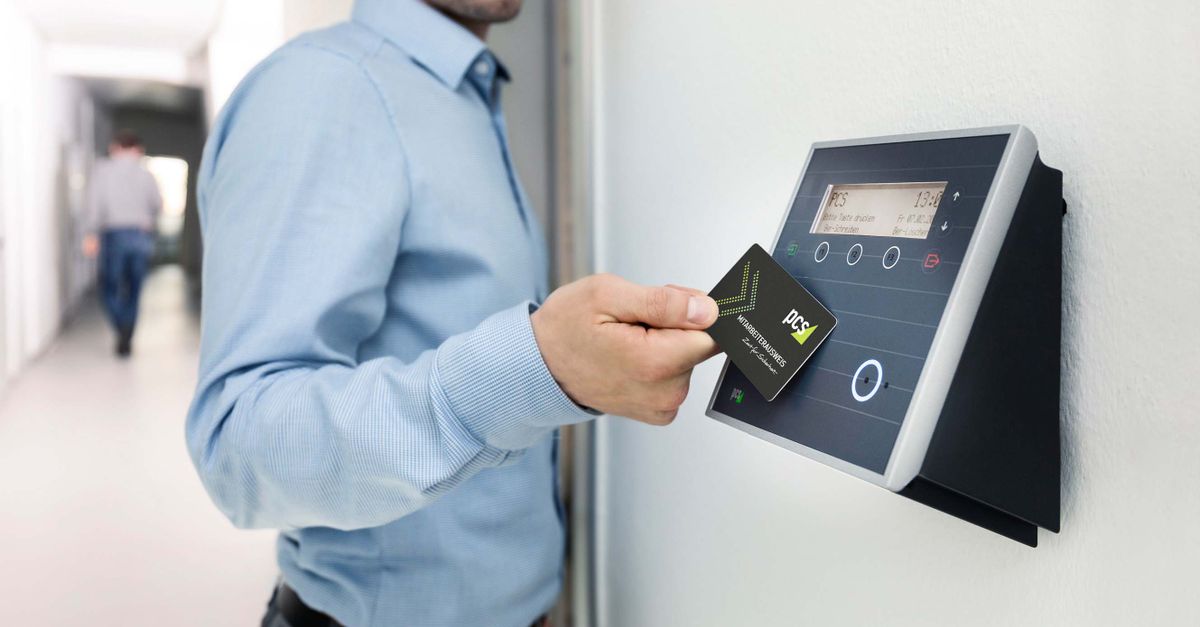
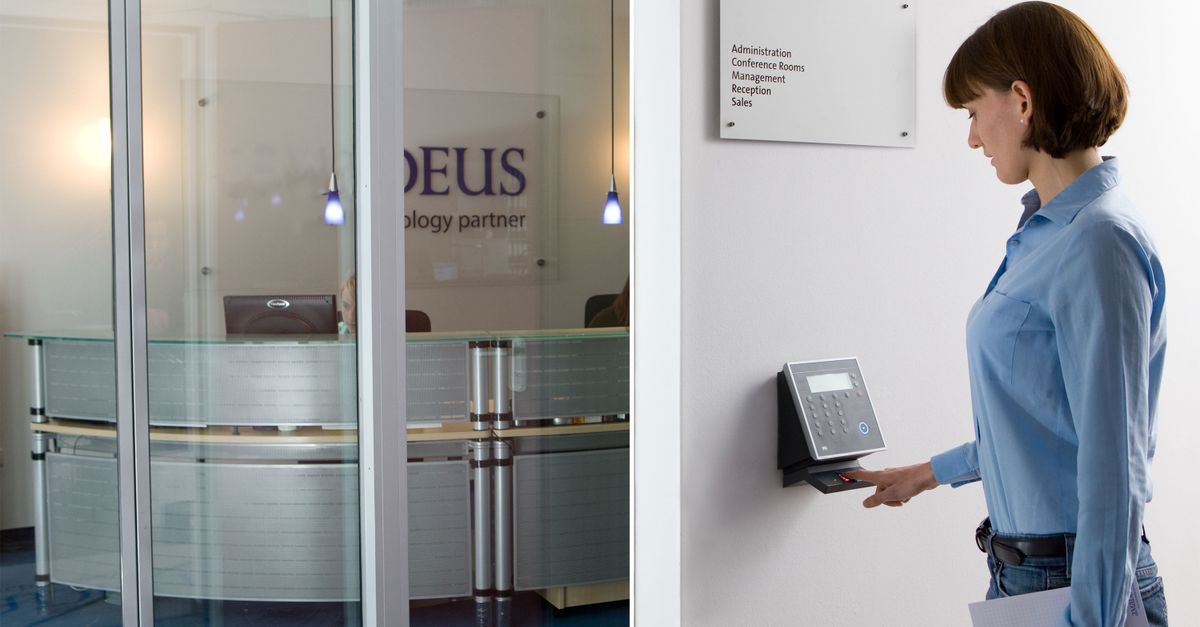
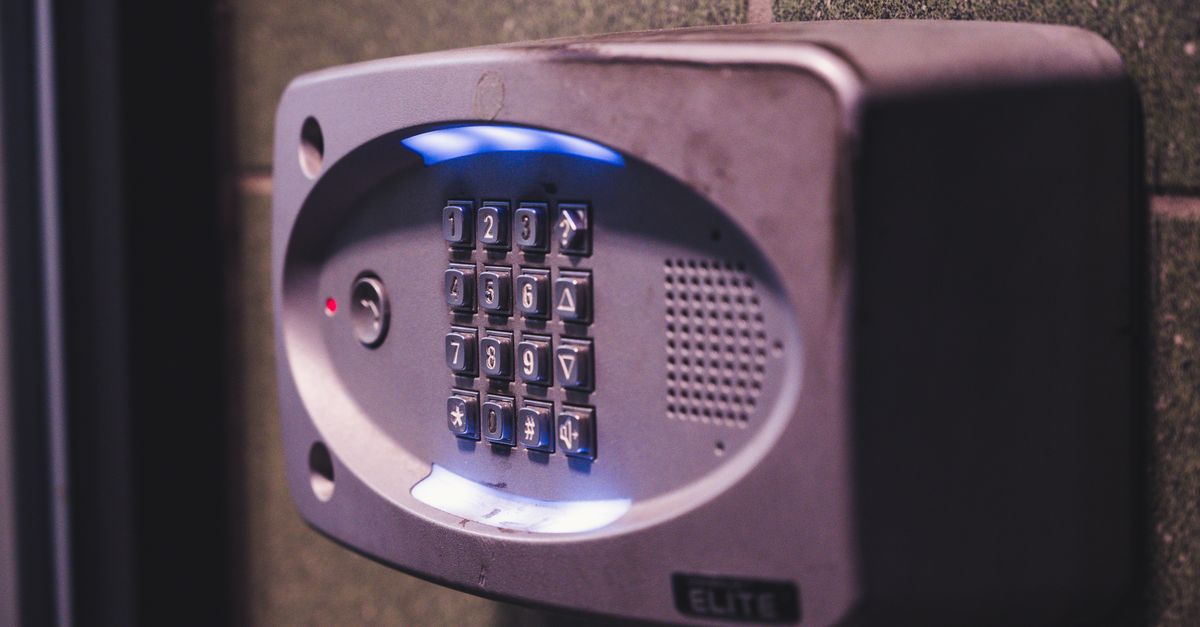
The phrase 'access control' covers a wide spectrum of hardware and software, and the terminology matters when you are shopping for the right fit. At the most basic level, a standalone keypad replaces a physical key with a PIN code — useful, but limited when staff turns over frequently. Step up to a proximity card or fob reader and you can deactivate a single credential the moment an employee leaves, without rekeying every lock on the property. Networked systems go further still, logging every entry event with a timestamp, enabling remote management from a browser or app, and integrating with alarm panels or CCTV. Understanding these tiers helps you have a meaningful conversation with our technicians rather than simply pointing at a brochure.
Central to almost every commercial-grade installation is the access control mortise lock — a cylinder that fits inside a precisely routed pocket in the door edge rather than sitting on the surface like a standard cylindrical lock or a door knob lock. The mortise format distributes stress across the full thickness of the door stile, making it significantly harder to defeat by force. It also accommodates the multi-function trim that commercial access control demands: electric latch retraction, request-to-exit sensors, and fail-safe or fail-secure wiring modes that determine what happens to the door during a power interruption. Choosing the wrong mode for a fire-egress door, for example, can create a code-compliance problem — our technicians walk you through those distinctions before any hardware is ordered.