
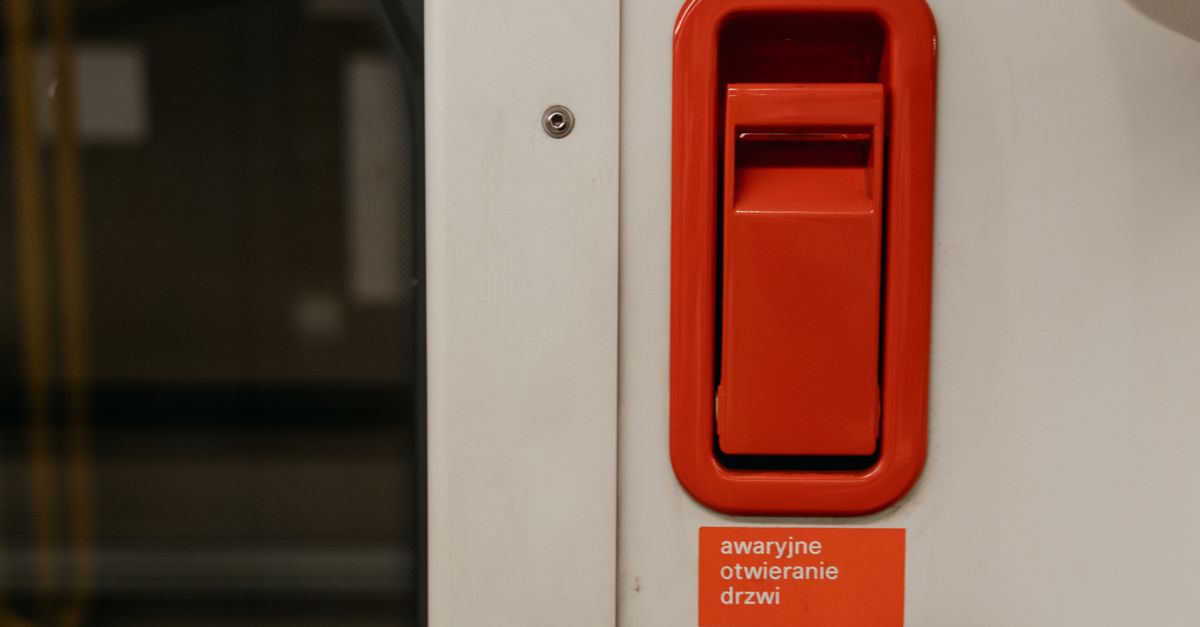
Why Panic Bar & Exit Device Installation Requires a Commercial Locksmith
Exit devices are governed by a layered set of standards in the United States — primarily NFPA 80 (Standard for Fire Doors), NFPA 101 (Life Safety Code), and ICC/IBC occupancy requirements, all of which Florida adopts and enforces through the Florida Building Code. In simple terms, any door serving an assembly, educational, hazardous, or high-occupancy space must allow egress with a single motion and no special knowledge. A panic bar satisfies that rule, but only when it is installed at the correct mounting height, engages the correct latch or bolt throw, and is paired with the right door preparation. Skipping a professional installation risks a failed fire-marshal inspection, a voided door warranty, and a dangerous gap in your building's egress plan. Our technicians stay current on these requirements and apply them to every job in the Lockhart area, whether the building is decades old or brand new.
Terminology matters here and is often a source of confusion for facility managers. The industry distinguishes between a 'touch bar' (a flat bar that activates on touch), a 'crossbar' or 'crash bar' (the traditional rounded bar), and a 'vertical rod device' (which drives bolts into the top and bottom of the frame rather than into a strike on the jamb). Understanding which term your architect's specification or AHJ (Authority Having Jurisdiction) uses prevents ordering the wrong product entirely. Our team translates that spec language into the correct part on your door, damage-free where the existing door preparation allows.