Nissan Key Terminology: What You Are Actually Replacing
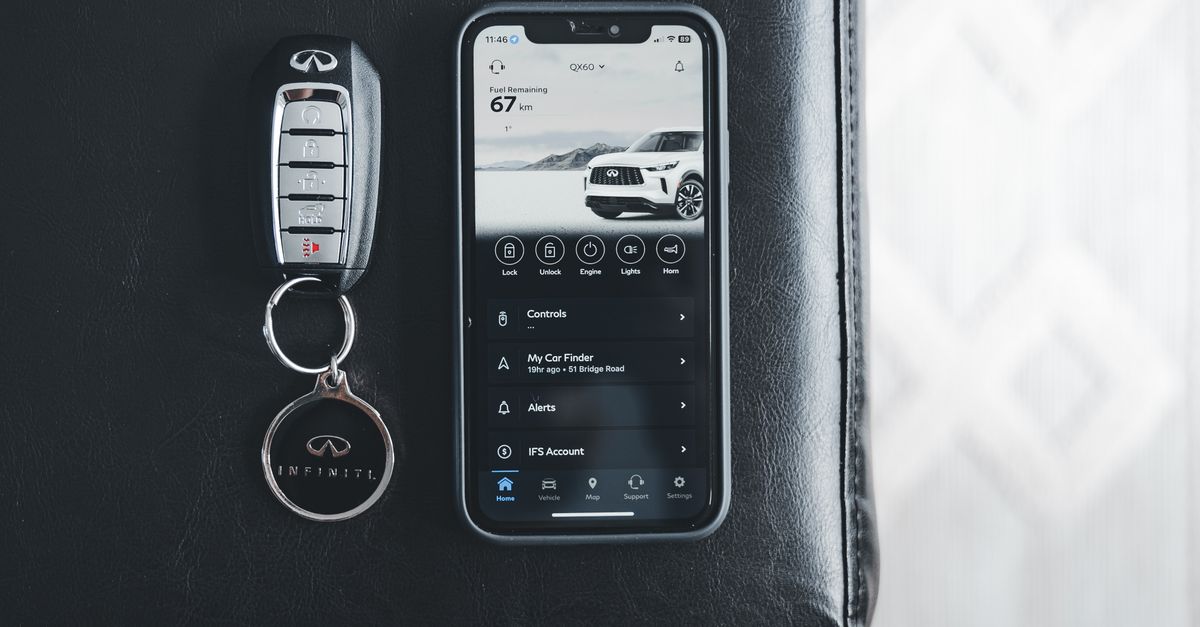
Not all Nissan keys are the same, and the terminology matters because it directly affects what equipment, what parts, and what programming steps your job requires. A basic mechanical key — the thin cut metal blade found on older Nissans — simply opens the door lock mechanically and starts the ignition. A transponder key adds an RFID chip inside the plastic head; the car's immobilizer reads that chip at startup and will not allow the engine to run if the chip is absent, cloned incorrectly, or unprogrammed. A key fob is a separate remote that controls door locks and sometimes the trunk, and it typically accompanies a standard transponder key. The Nissan Intelligent Key, introduced across most of the current lineup including the Altima, Rogue, Maxima, Murano, and Pathfinder, combines all of these functions into a single proximity device — you can unlock the car and start it with the push-button ignition as long as the fob is on your person.
Smart key systems also introduce a new failure mode: a dead fob battery that leaves you effectively locked out even though the key itself is undamaged. Our technicians understand how to differentiate between a programming failure, a battery issue, a damaged transponder, and a mechanical cut that is simply worn beyond tolerance. Correct diagnosis means you pay only for what is actually broken, not a blanket replacement of everything.