What Key Fob Programming Actually Involves — And Why It Matters
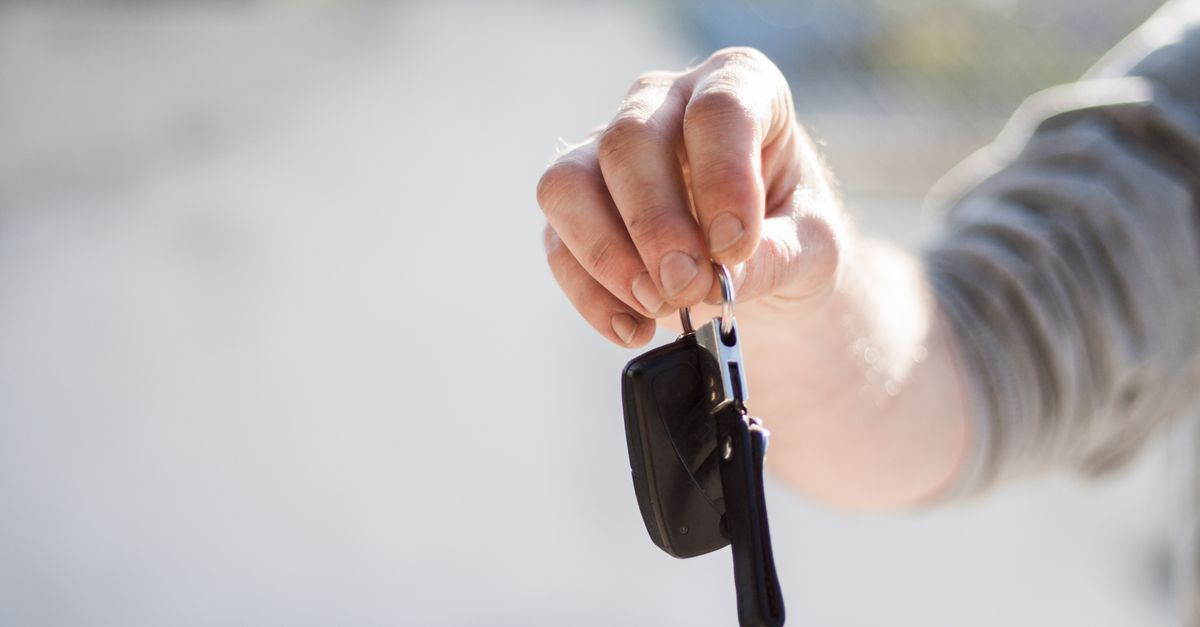
A key fob is more than a plastic button panel. Inside, it carries a small radio transmitter and, in the case of proximity remotes, a rolling-code security chip that must be cryptographically matched to your vehicle's body control module. Transponder keys go a step further — an RFID chip embedded in the key's head must broadcast a code that the car's immobilizer accepts before the engine will start. Programming is the process of writing the correct pairing data between these components. Without it, a physically perfect key will crank nothing, and a brand-new fob will do nothing but click. This is specialized electronic work, not a task that a standard key-cutting machine handles.
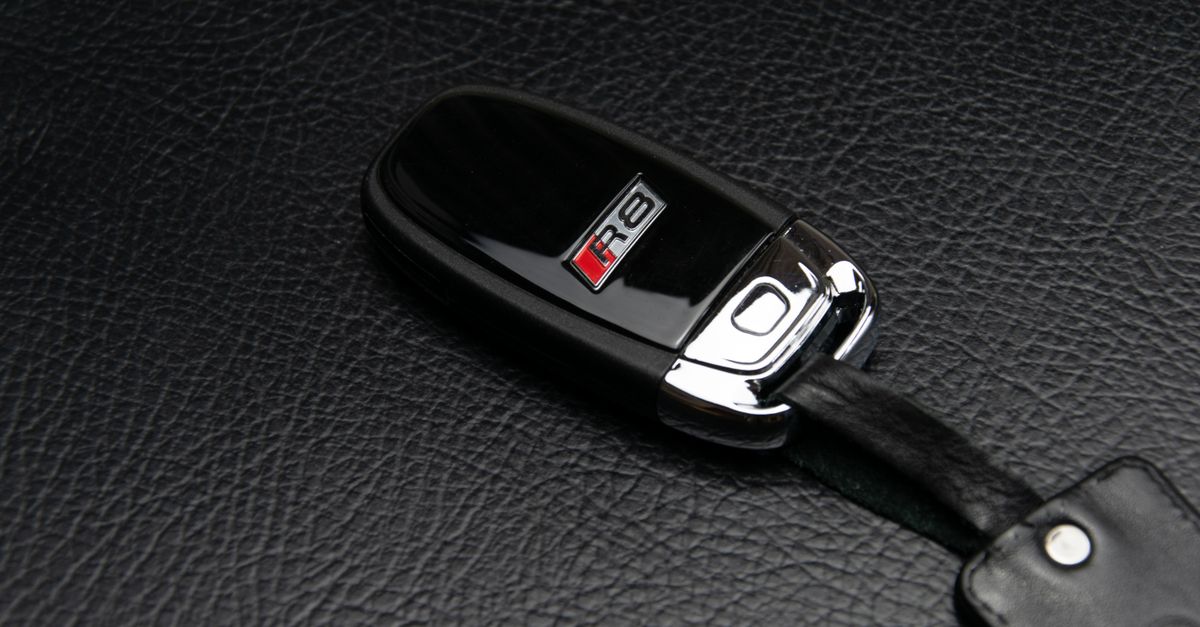
Different vehicle platforms use entirely different protocols. Some domestic models from Ford, GM, and Chrysler use a self-programming sequence that still requires initiating access to the vehicle. Many European and newer Asian imports require OBD-II-connected programming tools that communicate directly with the car's onboard computer. Luxury vehicles and those with advanced push-start systems add another layer of complexity, sometimes requiring a PIN that's tied to the VIN. Our technicians are trained across these categories and carry multi-platform programming devices — meaning one service call covers the job, on-site, without forwarding you to a dealership.