Fast Orlando Locksmith Service Team
Local locksmith team
Aug 3, 2026 11 min read
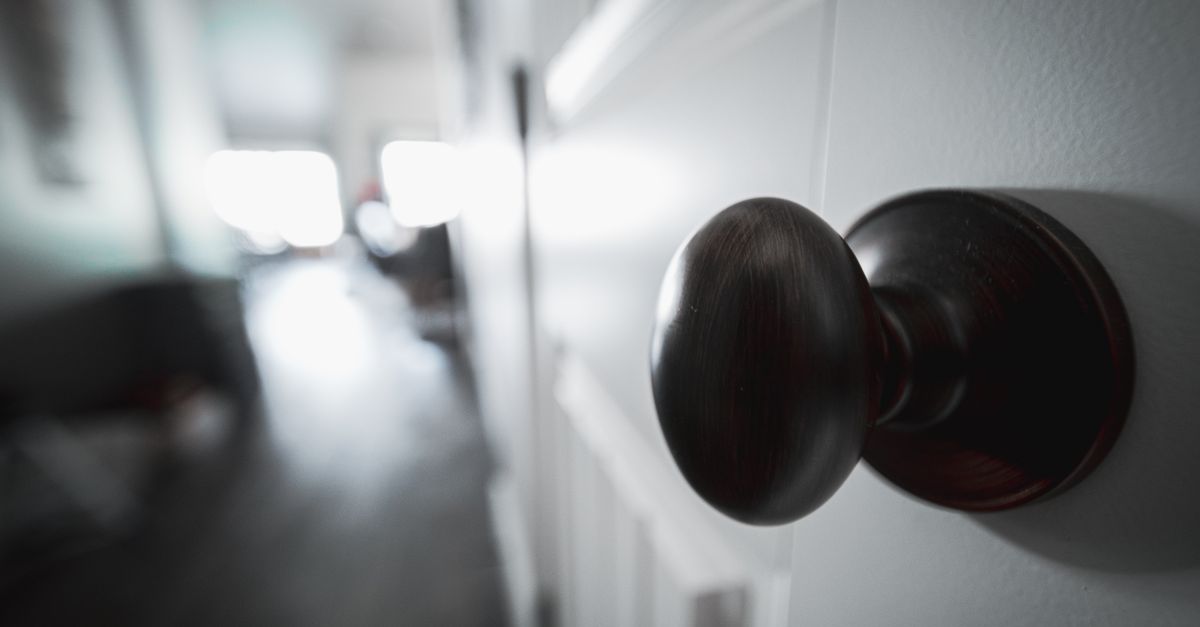
Most homeowners in the Lockhart area — whether you're off Clarcona Road, near the old Lockhart Middle School, or tucked into one of the quiet neighborhoods just north of Orlando — don't think about their door knob lock until something goes wrong. A sticky key, a knob that feels loose, a deadbolt that used to snap into place but now takes three tries: these are easy to dismiss. But a failing lock isn't just an inconvenience. It's a gap in your home's first line of defense, and no amount of lubricant spray will fix a lock that has structurally worn out.
This guide covers five real, specific warning signs that your door knob with lock and key has crossed the line from 'needing a tune-up' to 'needing a replacement' — and what a trained locksmith will actually look for when they assess the situation. We'll also touch on mortise lock systems, which are common on older Lockhart-area homes and commercial properties, because the warning signs there carry their own urgency. Read through, then decide whether that can of WD-40 is really the right tool for the job.
## Sign 1: The Key Turns But the Latch Barely Moves — A Classic Door Knob Lock Failure
This is one of the most misread signs in the business. You insert the key, it rotates, but the latch retracts sluggishly, partially, or not at all unless you simultaneously lift or push the knob. Homeowners often assume this is a door alignment issue — and sometimes it is — but more frequently it points to a worn cam or tailpiece inside the lock cylinder itself. In a standard door knob with lock, the cylinder turns a small metal cam that drives the latch mechanism. When that cam wears down or cracks, the motion becomes imprecise. Lubricant can mask the symptom for a week or two, but the internal geometry is degraded and the lock will eventually fail completely — often at the worst possible moment.
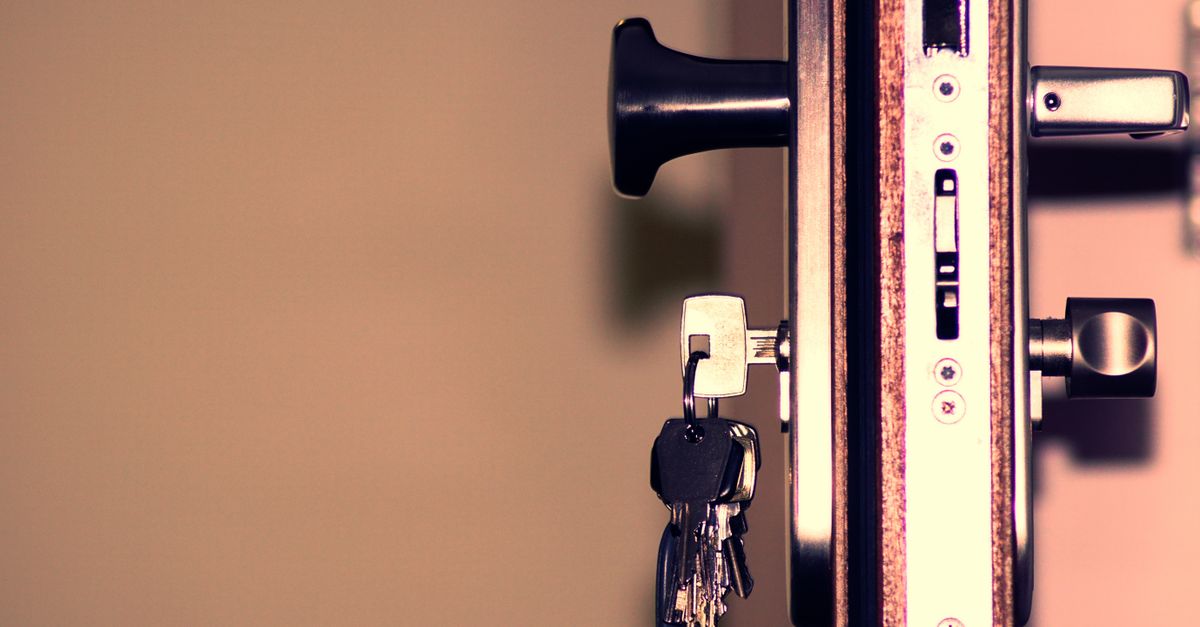
A mortise lock, which sits inside a pocket cut into the door edge rather than through a bored hole, shows this failure differently: the faceplate screws may back out slightly, the latch throw becomes inconsistent, or the lock body starts to shift inside the mortise pocket. Mortise lock repair and replacement is a distinct skill set — it requires understanding the internal lever or pin tumbler mechanism, the correct body dimensions for the door thickness, and how the trim hardware interfaces with the case. Our team handles mortise lock work regularly on both residential doors and commercial properties around Lockhart, and the assessment process is different from a standard knob lock replacement. If you're noticing any of these symptoms, call (407) 759-3732 and we can walk you through what to check before we arrive.
## Sign 2: Visible Wear, Wobble, or Spin — When the Knob Lock Itself Is the Problem
Grab your door knob and try to wiggle it — side to side, in and out, rotationally. A small amount of play is normal on older hardware. Significant wobble, especially if the knob spins freely without engaging the latch at all, means the internal spindle or the connecting mechanism between the knob and the latch bolt has broken or stripped. This is not a lubrication problem. It is a mechanical failure. A spinning knob that no longer retracts the latch means your door is either stuck shut (locked by the deadbolt or latch friction alone) or, more dangerously, no longer latching properly — meaning it can be pushed open with minimal force even when it appears closed.
Visible corrosion on the exterior face of the lock, deep scratches around the keyway (which can indicate someone has attempted to pick a door knob lock or force entry), or a keyway that has visibly deformed are all structural concerns. These signs go beyond aesthetics. A compromised keyway changes the security rating of the entire lock because the pin stack tolerances are affected. Replacing the hardware with a properly specified knob lock — whether a Schlage or Kwikset grade-2 or grade-1 unit depending on the door location and use — restores the mechanical integrity the original installation was designed to provide.
## Sign 3: You've Had a Break-In Attempt, a Lockout, or an Unauthorized Key Copy
Three specific events should trigger an automatic lock replacement conversation, not just an inspection. First: any confirmed or suspected break-in attempt. Even if the door held, the lock cylinder may have been stressed, the strike plate may have shifted, and the door frame itself may have micro-fractures that compromise how securely the latch seats. Second: if a lockout required forced entry — whether by you or anyone else — the lock should be evaluated by a professional before you rely on it again. Third: if a key to that door was ever lost, stolen, or copied without your knowledge, re-keying is the minimum response, but a full replacement of the door knob with lock is often the more reliable long-term solution, especially if the hardware is already aged.
This is also the right moment to discuss the difference between re-keying and replacing. Re-keying changes the pin configuration inside the existing cylinder so that old keys no longer work — it's faster and the factors that affect the final cost are simpler, since no new hardware is needed. Replacement installs an entirely new lock body, cylinder, and trim, which makes sense when the existing hardware is worn, a different security grade is needed, or you're upgrading from a basic knob lock to a mortise lock or a combination of knob and deadbolt. Our team confirms an exact up-front price before any work begins, and what determines that quote includes the lock type you're moving to, whether it's a residential or commercial door, the time of day (we are a 24/7 emergency locksmith service), and any parts required for the specific door preparation.
## Sign 4: The Lock Freezes, Jams, or Behaves Differently in Heat vs. Cold — Emergency Locksmith Calls We See Every Summer
Central Florida's climate creates a lock failure pattern that locksmiths in cooler states rarely see. Lockhart sits in an area where summer humidity regularly pushes past 90%, and the combination of heat expansion, moisture infiltration, and UV degradation on exterior hardware accelerates internal wear significantly. If your door knob lock starts freezing up in the August heat or after a hard rain — requiring excessive force, jiggling, or the specific 'trick' that only you know — that is not normal aging gracefully. That is the lock telling you its tolerances have drifted outside the range where it can function reliably.
As an emergency locksmith team serving Lockhart and the surrounding areas around the clock, we see a disproportionate number of calls in summer months from homeowners whose lock seized completely while they were unloading groceries or returning from work at night. A lock that 'usually works fine' but has a known quirk is a lock that will eventually strand you outside. The repair window is always better than the emergency window — both for your stress level and because the factors that go into an after-hours emergency call (time of day, travel, urgency) will affect what the job costs compared to a scheduled daytime visit. Either way, we provide a confirmed price before we start. But scheduling before the failure happens is always the smoother path.
## Sign 5: The Lock Is Simply Old — Locksmith Mortise Lock Expertise and When Age Alone Justifies Replacement
There is no universal expiration date stamped on a lock, but industry guidance from locksmiths with hands-on field experience suggests that a residential knob lock subjected to daily use has a realistic functional lifespan of seven to ten years before internal tolerances drift enough to matter. Commercial doors see far more cycles and typically warrant evaluation sooner. If you're in an older Lockhart home — many of the area's residential streets have housing stock from the 1970s and 1980s — you may have original hardware that has simply outlived its design life, regardless of whether it shows the dramatic symptoms described above.
Mortise locks on older homes deserve special mention here because they are frequently original to the build, and mortise lock replacement requires matching the body length, width, and backset to the existing pocket — a mismatch means either a poor fit or a custom door modification. A trained locksmith with mortise lock experience can assess whether the existing pocket is serviceable for a modern replacement case or whether the door edge needs remediation. This is genuinely specialized work, distinct from a standard bored-hole knob lock swap, and it's part of the reason locksmith specializations exist: residential hardware, commercial locksmith work, automotive, and high-security systems each require a different knowledge base and tool set. When you call us, we'll ask the right questions up front so we arrive prepared for the specific lock type on your door.
## What Homeowners in Lockhart, FL Ask Us Most: FAQs on Door Knob Lock Replacement
We've included a dedicated FAQ section below covering the questions our team hears most often from Lockhart-area homeowners — including questions about cost factors, emergency response, and some of the local context people search for when they're trying to figure out who to trust with their home security. If your question isn't covered, the fastest path to an answer is a direct call to (407) 759-3732. We answer around the clock, every day of the year.
Frequently asked questions
How much does an emergency locksmith cost near me in Lockhart, FL?+
There is no single flat rate for emergency locksmith work, and any service that quotes a price without knowing the specifics of your job is giving you a number that may change at the door. The factors that determine what you'll actually pay include: the type of lock involved (a standard door knob lock versus a mortise lock versus a high-security cylinder), whether it's a residential or commercial property, the time of day (after-hours and overnight emergency calls involve different logistics than a scheduled daytime visit), travel distance to your location, and the parts required — new hardware, a replacement cylinder, or just a re-key kit. What we commit to is confirming an exact up-front price before any work begins, so there are no surprises when the job is done. Call (407) 759-3732 and describe your situation — we can give you a real number quickly.
Is it ever okay to just pick a door knob lock instead of calling a locksmith?+
When people search for how to pick a door knob lock or how to pick a lock door knob, they're usually locked out of their own home and looking for a quick fix. The honest answer is that DIY lock-picking carries real risks: improper technique can damage the pin stack and cylinder beyond a simple re-key, turning a lockout into a full hardware replacement job. More practically, most homeowners don't have the right tools or trained feel for it. The safer and faster path is to first check for a spare key with a trusted neighbor or family member, try any secondary entry points you have legitimate access to, and if those options don't exist, call a professional locksmith. We verify ownership before any work — a standard practice that protects you as the homeowner. We serve Lockhart around the clock, so an emergency locksmith is never far away.
What is the difference between a knob lock and a mortise lock, and does it affect how a locksmith approaches the job?+
Yes, significantly. A standard knob lock (or lever lock) is installed through a bored hole in the door face and is the most common residential hardware in the US. A mortise lock sits inside a rectangular pocket cut into the door edge and integrates the latch, deadbolt, and sometimes the lever handle into a single internal case. Mortise locks are more common on older homes, commercial properties, and higher-security applications. From a locksmith specialization standpoint, mortise lock work requires knowledge of internal lever mechanisms or pin tumbler configurations inside the case, correct body sizing for the door thickness, and often a different approach to both repair and replacement. Our team handles both types — if you're not sure which you have, a quick description over the phone (or a photo sent to us) usually tells us what we need to prepare.
What is Lockhart, Florida known for, and does Fast Orlando Locksmith serve the whole area?+
Lockhart is an unincorporated community in Orange County, just north of Orlando, with a close-knit residential character and a mix of established neighborhoods and newer developments. It sits near the intersection of State Road 434 and Clarcona Road and feeds into the broader Apopka and Maitland corridors. The community has a long local history and is home to Lockhart Middle School, which serves as something of a neighborhood landmark for longtime residents. As for coverage — yes, Fast Orlando Locksmith serves Lockhart and the surrounding areas as a fully mobile 24/7 service. We come to you, whether that's a residential neighborhood off Orange Blossom Trail, a commercial property near the Maitland interchange, or anywhere else in the area. Call (407) 759-3732 any time.